Agility Robotics to go public through a SPAC merger
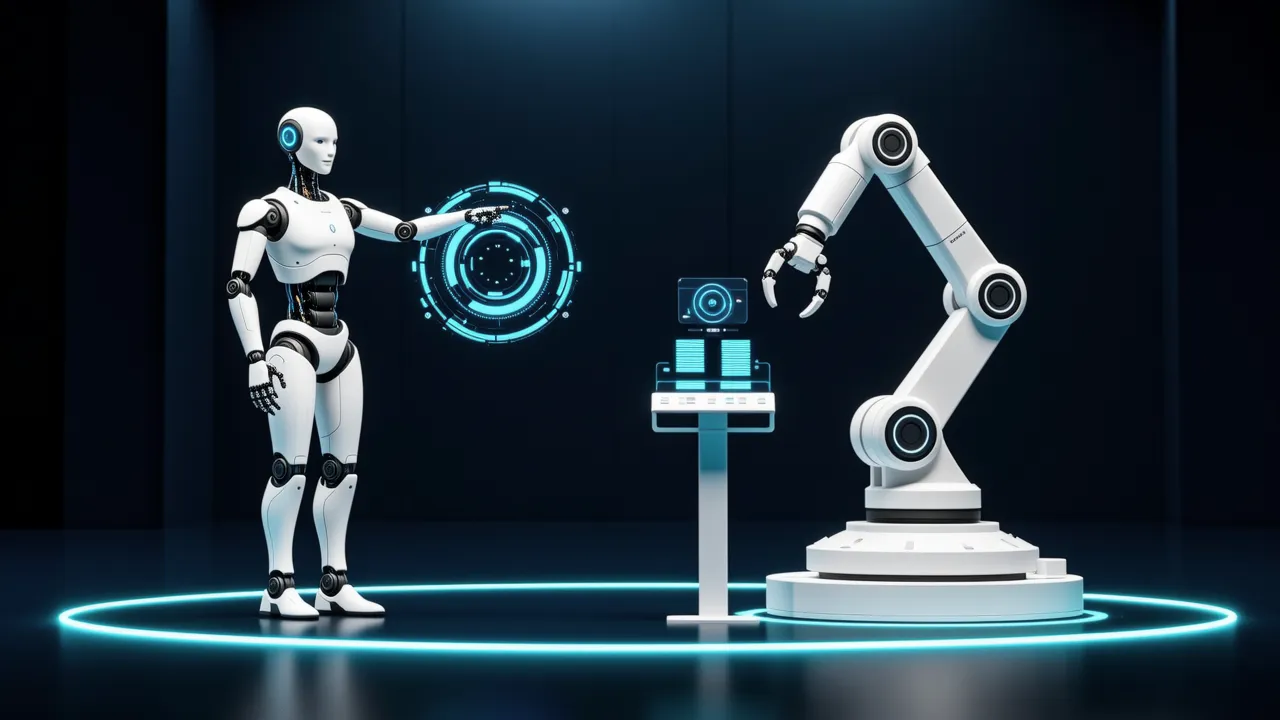
Agility Robotics announced it will go public through a SPAC merger, raising $465 million as it works to commercialize Digit robots and launch the next-generation Digit 5.
Total 334 · Clear filters
Agility Robotics announced it will go public through a SPAC merger, raising $465 million as it works to commercialize Digit robots and launch the next-generation Digit 5.
Fal, a startup that hosts and runs AI video, image and audio models, raised $1.3 billion at a $16 billion valuation, double its valuation from earlier in the year.
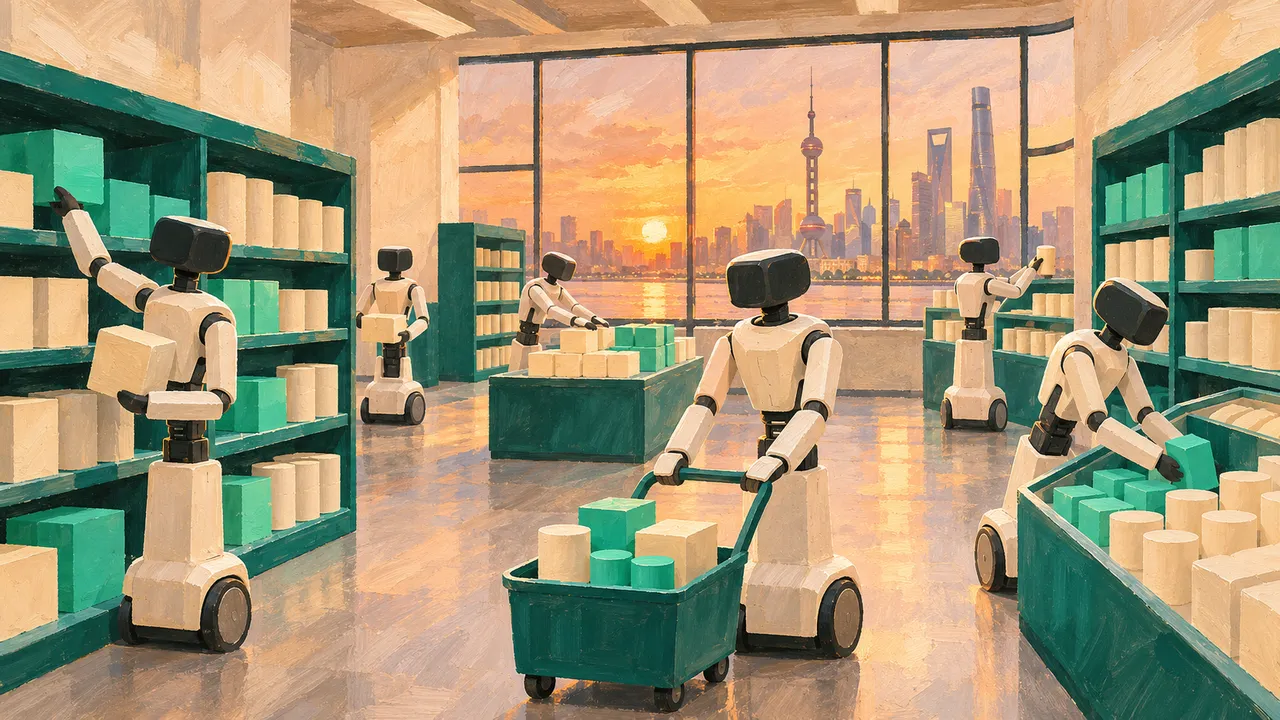
Six AGIBOT G2 wheeled humanoid robots worked a 24-hour shift in an operating Shanghai convenience store, completing 1,730 tasks on a livestream, with four of the six passing the final assessment.
AGIBOT's Innovation Day 2026 in Shanghai on 29 October 2026 introduced the Worken output metric, the AHA3 humanoid hardware architecture, the G2 Max industrial robot, Link-U OS 1.0, the GO-3 Preview and the WITA-Omni interaction model.
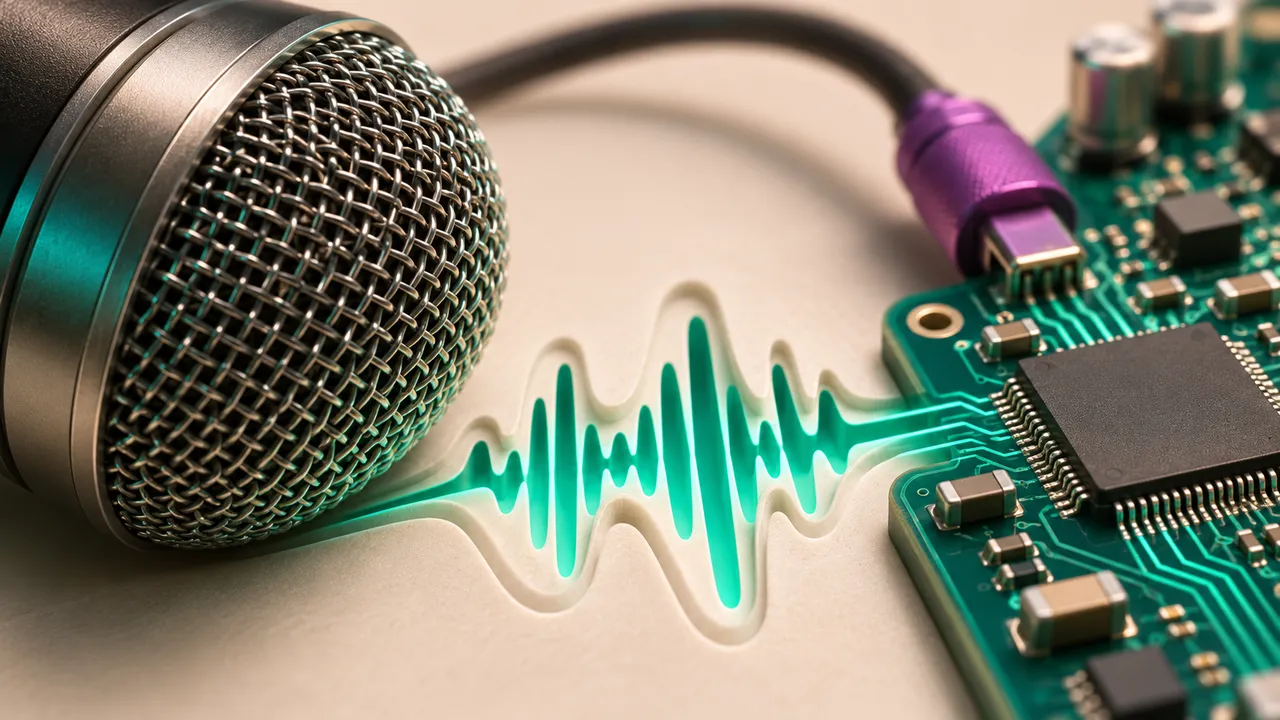
On 28 October 2026 Nvidia released Nemotron 3.5 Transcribe, an open-weight, free speech recognition model covering up to 40 languages, alongside the second version of its Granary speech dataset.
Google's frontier model announced on 28 October 2026, released first to cyber defenders and reporting leading scores on intelligence, coding and cybersecurity benchmarks.
The Agentic AI Foundation reported 305 member organisations in under a year, saying agents are moving from developer experiments to institutional infrastructure.
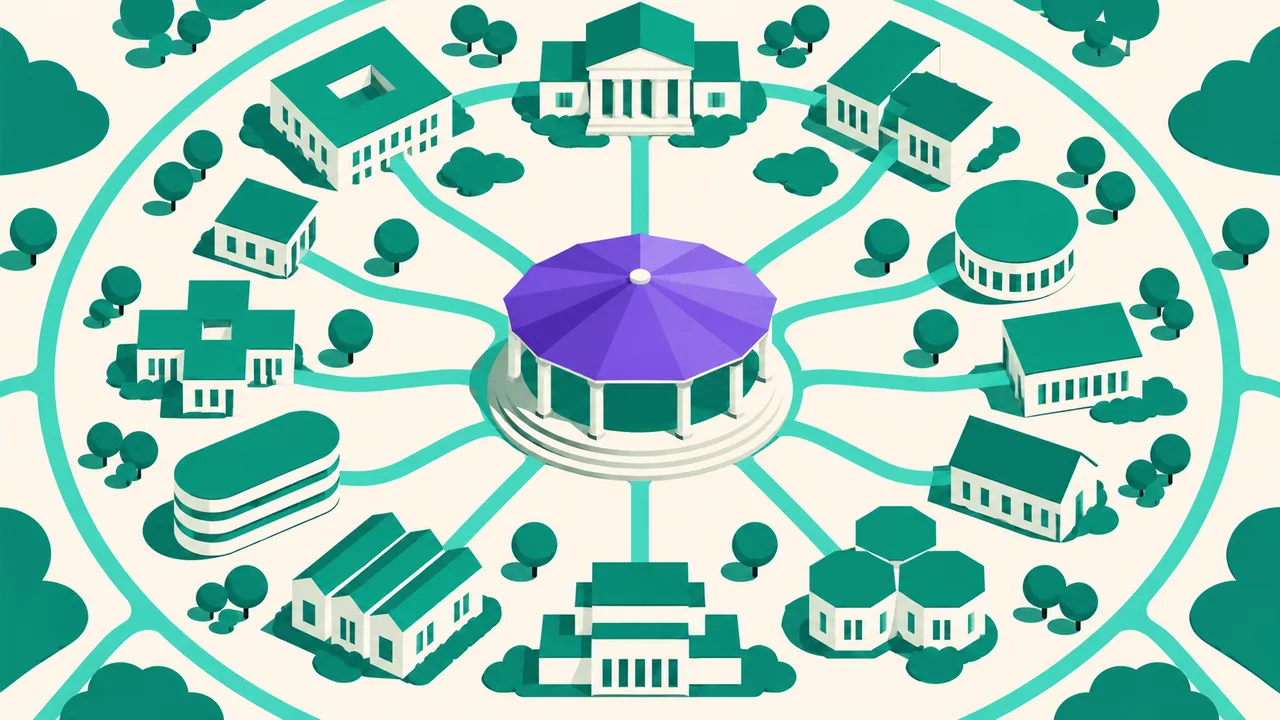
On 22 October 2026 the Agentic AI Foundation added four projects — Agent Skills from Anthropic, Open Responses from OpenAI, OpenEnv from Hugging Face and OpenSandbox from Alibaba — bringing it to 10 hosted projects covering different layers of the agentic stack.
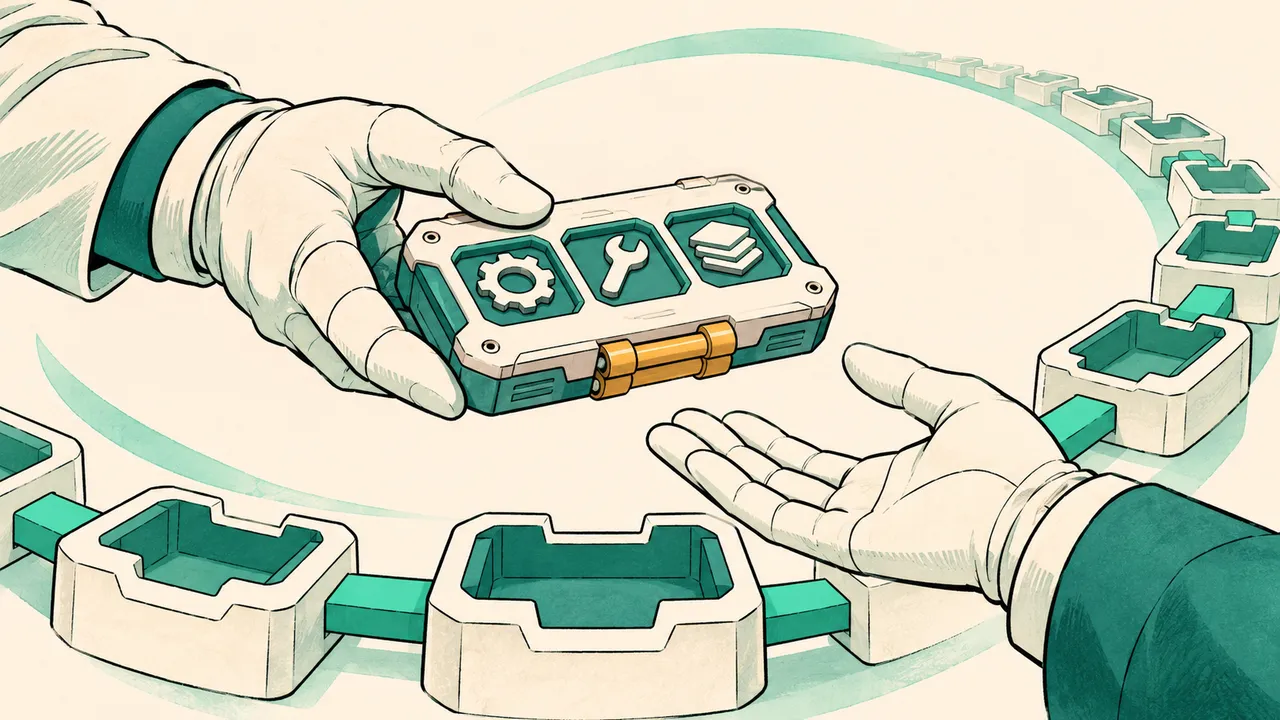
On 22 October 2026 Anthropic handed the Agent Skills open standard — its name, logo, GitHub organisation and domain — to the Agentic AI Foundation, a Linux Foundation project, after more than 70 agent platforms had adopted it.
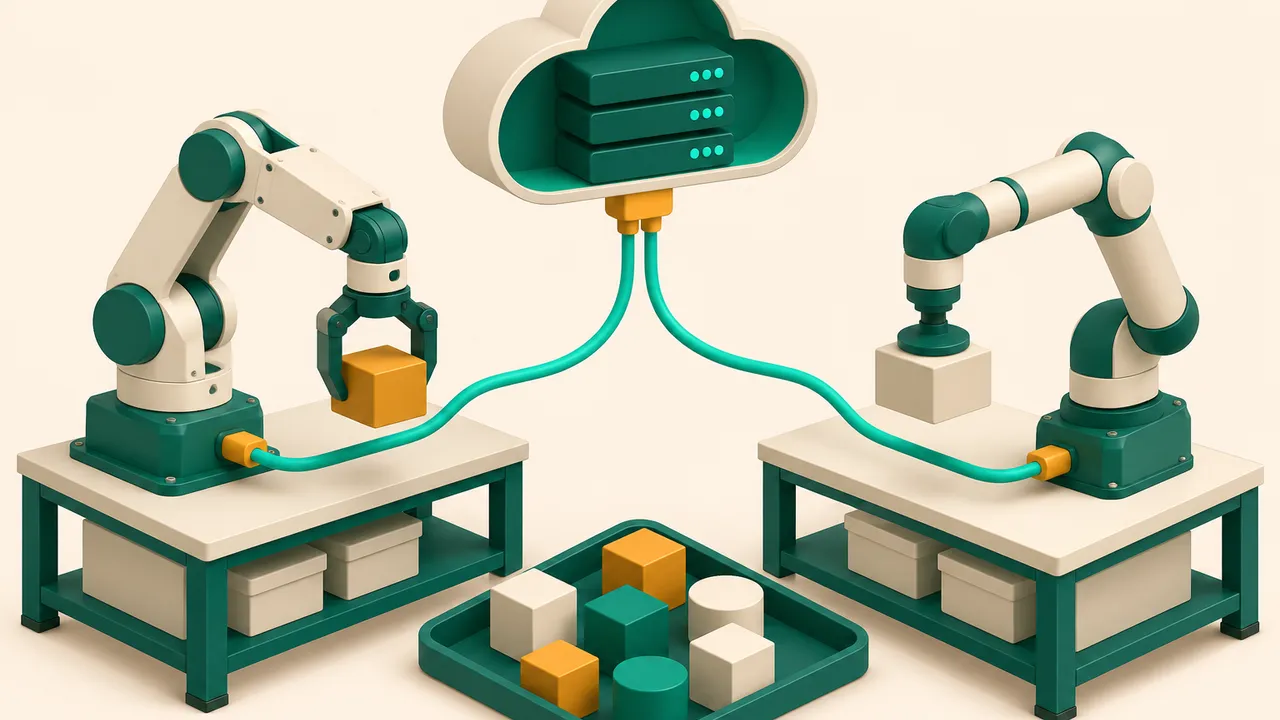
On 13 October 2026, Physical Intelligence opened a beta of the Pi API, a service that lets customers upload their own robot data, fine-tune the company's models and run cloud-hosted inference on their own machines.
Google gave Gemini 4 Argon to trusted security partners in September 2026 and released it worldwide on 13 October, opening its newest frontier model to developers, enterprises and subscribers while naming Gemini 4 Carbon as the next model in the family.
Waymo said it will launch its autonomous ride service in Toronto, its first Canadian city, with the first passengers planned for 2028.
On 29 September 2026 OpenAI released GPT-6.1 Sol at its DevDay developer event, saying it nearly matched GPT-6 Astra at lower cost. A planned Astra release was withheld over safety results, and GPT-6.1 Terra followed in October.
On 3 September 2026 Nvidia agreed to acquire Hugging Face for $12.93 billion. Hugging Face said it would remain an open platform, and the deal was expected to close in the first half of 2027 pending regulatory approval.
IBM released the Granite 4.2 family on 25 August 2026, with native reasoning that streams inside think tags and can be switched between full, low-effort and non-thinking modes per query.
Unitree, the Hangzhou robot maker, listed on Shanghai's STAR Market on 19 August 2026 at 150.80 yuan per share, opening its first trading day 629.44% higher and valuing the company at 444.9 billion yuan.
On 13 August 2026 DeepSeek launched the general-availability version of DeepSeek-V4-Pro, with agent upgrades, adjustable reasoning effort, OpenAI Responses API support and peak and off-peak API pricing.
Lovable raised a $400M Series C on 12 August 2026 at a $13.3B valuation, led by Menlo Ventures, after users created more than 60 million projects on the platform since its November 2024 launch.
Alibaba released Qwen3.8-Max, a 2.4-trillion-parameter model, as a cloud service on 3 August 2026, and published open weights for a variant of it on 12 August 2026.
Zoox received the first commercial exemption NHTSA has ever granted for a purpose-built robotaxi, letting the company charge fares for driverless rides and start collecting them in Las Vegas.
On 28 July 2026 the Model Context Protocol project published a specification built on a stateless core, turning MCP into a request/response protocol whose requests any instance behind a plain round-robin load balancer can serve.