NVIDIA releases Nemotron 3.5 Transcribe and Granary 2
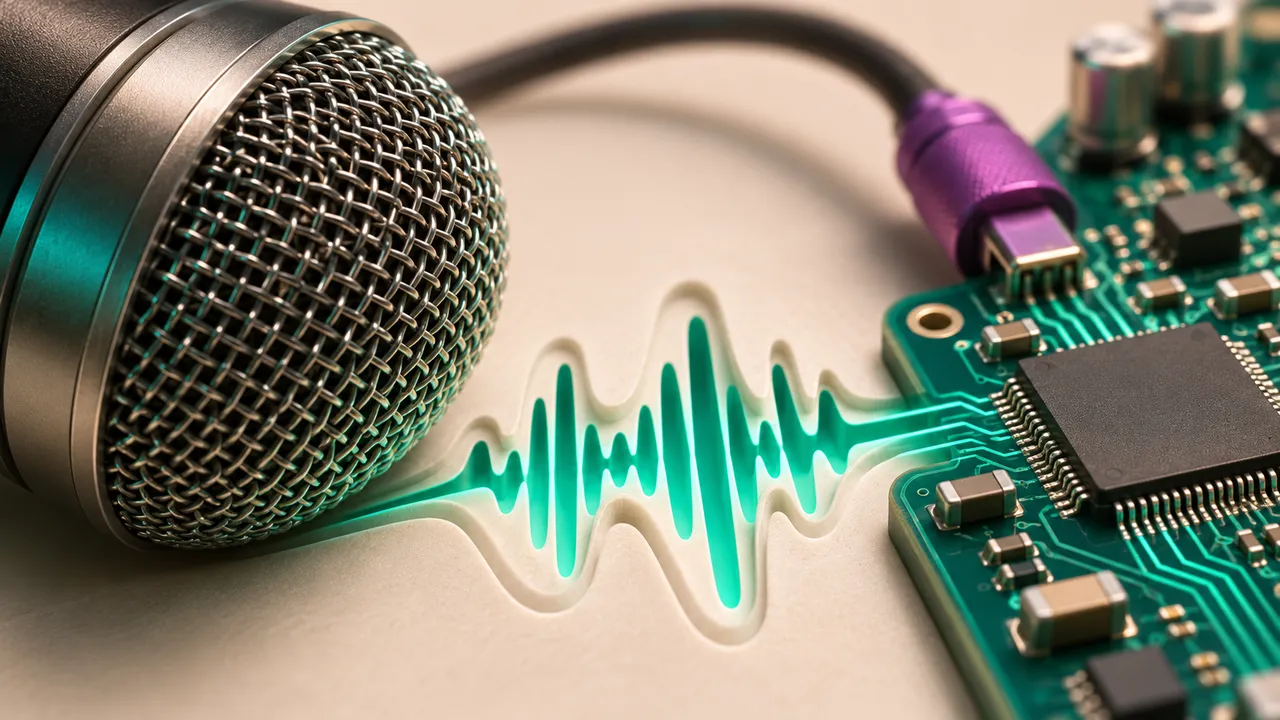
On 28 October 2026 Nvidia released Nemotron 3.5 Transcribe, an open-weight, free speech recognition model covering up to 40 languages, alongside the second version of its Granary speech dataset.
Total 90 · Clear filters
On 28 October 2026 Nvidia released Nemotron 3.5 Transcribe, an open-weight, free speech recognition model covering up to 40 languages, alongside the second version of its Granary speech dataset.
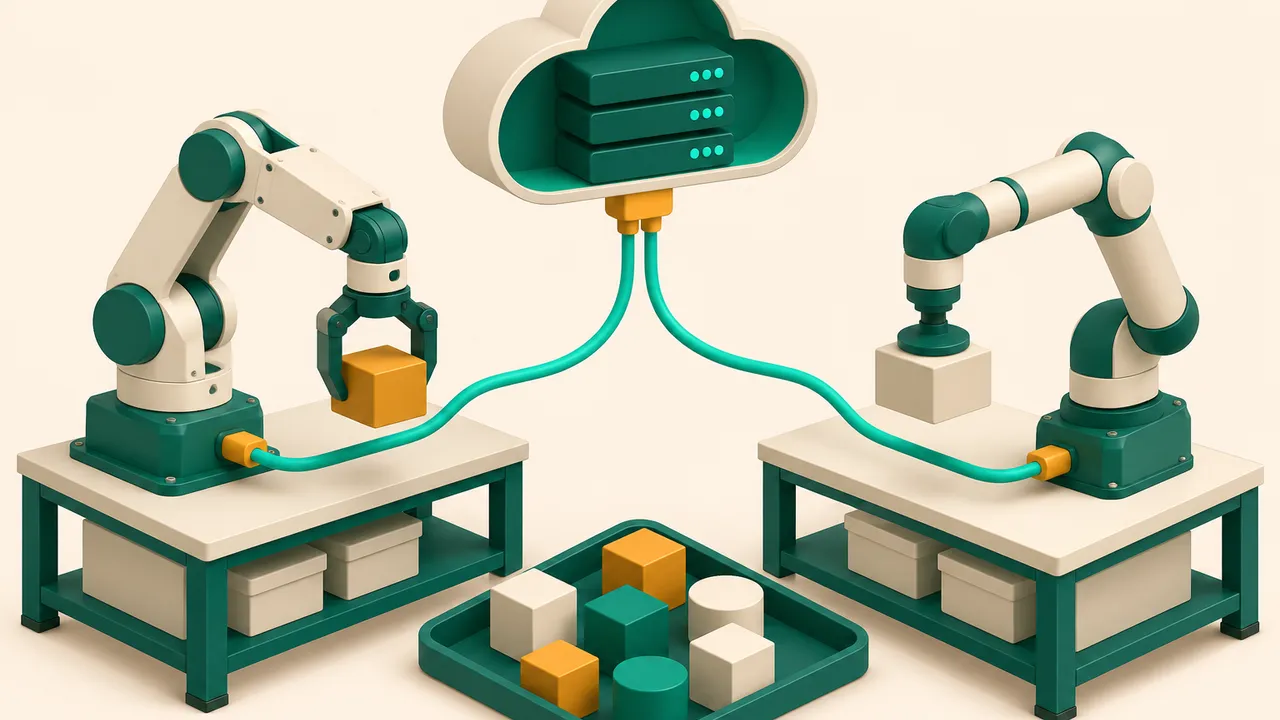
On 13 October 2026, Physical Intelligence opened a beta of the Pi API, a service that lets customers upload their own robot data, fine-tune the company's models and run cloud-hosted inference on their own machines.
On 29 September 2026 OpenAI released GPT-6.1 Sol at its DevDay developer event, saying it nearly matched GPT-6 Astra at lower cost. A planned Astra release was withheld over safety results, and GPT-6.1 Terra followed in October.
Lovable raised a $400M Series C on 12 August 2026 at a $13.3B valuation, led by Menlo Ventures, after users created more than 60 million projects on the platform since its November 2024 launch.
On 21 July 2026 Google announced three Gemini models at once: Gemini 3.6 Flash, a cheaper and faster 3.5 Flash-Lite, and 3.5 Flash Cyber, a security-focused variant limited to governments and trusted partners.
On 16 July 2026 xAI released Grok 4.5, co-trained with Cursor, and made it the default model in Grok Build. xAI also published its coding benchmark results.
On 2 April 2026 Mustafa Suleyman announced three Microsoft AI models for developers: MAI-Transcribe-1, MAI-Voice-1 and MAI-Image-2. All three became available in Microsoft Foundry and the MAI Playground, with published model cards.
On 5 February 2026 OpenAI released GPT-5.3-Codex for its Codex coding agent, describing it as the most capable agentic coding model to date and saying it had helped build itself. A faster research preview, GPT-5.3-Codex-Spark, followed a week later.
On 29 January 2026 Alibaba's chip unit T-Head listed the Zhenwu 810E, formally revealing a PPU accelerator the company had kept under wraps and completing its combination of Qwen models, cloud and chips.
On 18 December 2025, Lovable announced a $330M Series B at a $6.6B valuation, with new corporate and venture investors joining as the company reported rapid growth in projects built on its platform.
On 17 December 2025 Google released Gemini 3 Flash, a speed-oriented model that became the default in the Gemini app, with published scores of 90.4% on GPQA Diamond and 78% on SWE-bench Verified.
On 9 December 2025 Mistral AI released Devstral 2, a 123B dense coding model, and the smaller Devstral Small 2, alongside Mistral Vibe, an open-source command-line coding agent built on them.
On 2 December 2025, at AWS re:Invent, Amazon released the Nova 2 family, led by the reasoning model Nova 2 Lite. The same event introduced Nova Forge, made Nova Act generally available and launched Trainium3 UltraServers.
On 19 November 2025 OpenAI released GPT-5.1-Codex-Max, an agentic coding model added to its Codex agent, and alongside it GPT-5.1 Pro, which replaced GPT-5 Pro.
On 18 November 2025 Google released Antigravity, a free public preview agentic development platform for macOS, Windows and Linux, in which agents work across the editor, terminal and browser.
On 29 October 2025, Cursor released Cursor 2.0 and Composer, its first coding model, with a new agent-centered interface, parallel agents, and a native browser tool for testing changes.
LangGraph 1.0, generally available on 23 October 2025, was called by LangChain the first stable major release for durable agent frameworks, adding resumable state, built-in persistence and human-in-the-loop APIs, with no breaking changes promised until 2.0.
On 20 October 2025 Anthropic launched Claude Code on the web, a research preview that lets developers hand coding tasks from a browser to Claude, running on Anthropic-managed cloud infrastructure.
On 16 October 2025 Anthropic introduced Agent Skills, folders of instructions, scripts and resources that Claude loads when a task calls for them. On 18 December 2025 the format was published as an open standard.
OpenAI held DevDay 2025 in San Francisco on 6 October 2025. It announced AgentKit, the Apps SDK and general availability for Codex, and disclosed usage figures for ChatGPT and its API.
On 1 October 2025 Thinking Machines Lab announced Tinker, its first product: a managed API for fine-tuning open-weight language models. It uses LoRA to share compute across training runs.