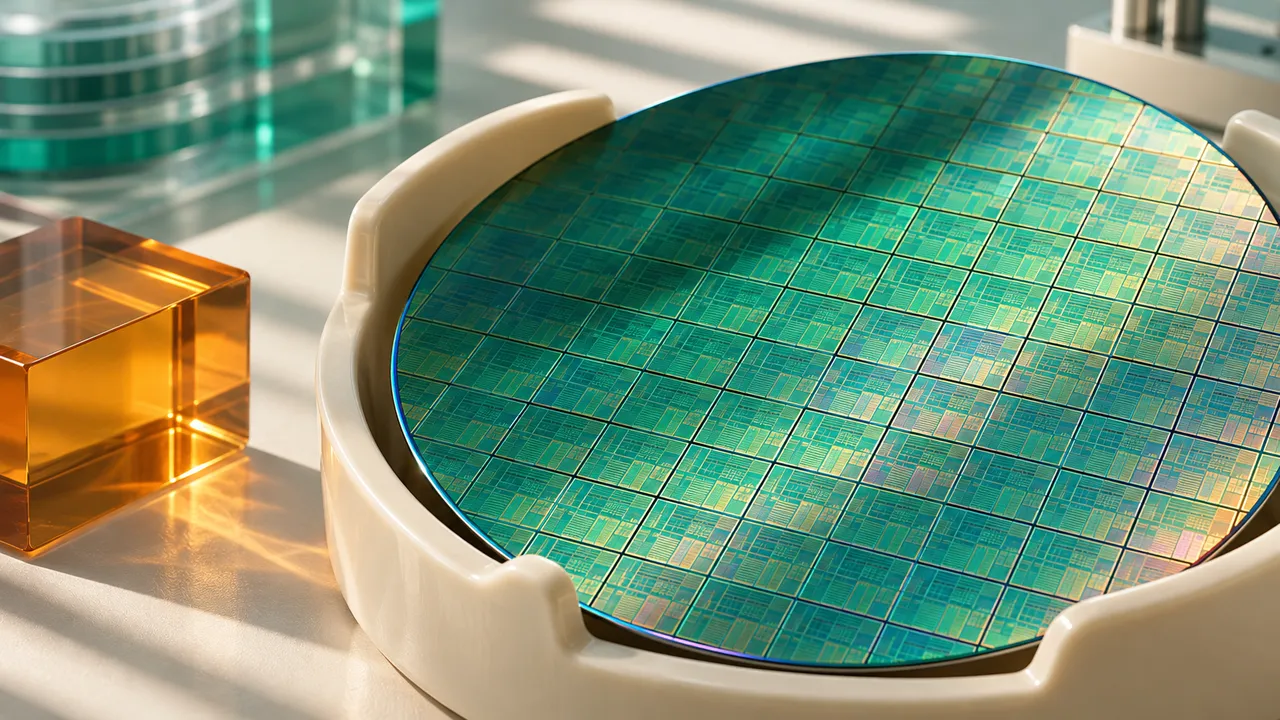
Kunlunxin starts STAR Market IPO guidance
In May 2026 Baidu's chip unit Kunlunxin began IPO guidance for China's STAR Market while keeping its Hong Kong plan, as revenue grows and losses narrow toward break-even.
Total 19 · Clear filters
In May 2026 Baidu's chip unit Kunlunxin began IPO guidance for China's STAR Market while keeping its Hong Kong plan, as revenue grows and losses narrow toward break-even.
Biren Technology listed on the Hong Kong Stock Exchange's main board on 2 January 2026, drawing 23 cornerstone investors to its share offering, with its market value briefly passing HK$100 billion on the first trading day.
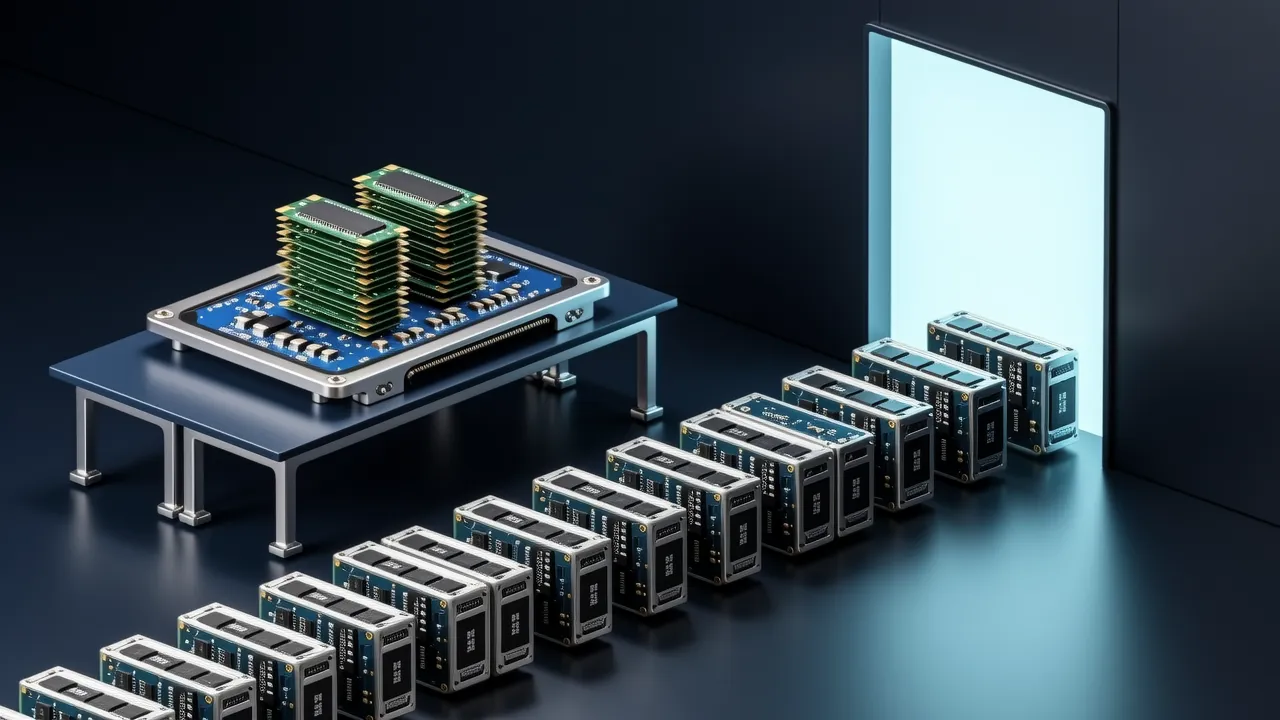
TSMC's CoWoS advanced packaging places logic dies and HBM stacks on a silicon interposer; capacity remains sold out, and TSMC is expanding in Tainan and Chiayi while developing panel-level CoPoS.
Cambricon's next flagship cloud training chip, the MLU 690, entered mass production in early 2026, pairing a dual-die package with more than 700 TFLOPS of FP16 compute and 196 GB of HBM3 memory.
In December 2025, Chinese GPU makers Moore Threads and MetaX listed on the STAR Market, with first-day gains that drew attention to domestic AI chip companies raising public capital.
On 29 October 2025 Nvidia became the first company in history to reach a $5 trillion market value, closing at $207.04 a share after a rally driven by large AI chip orders.
On 11 June 2025 Mistral AI announced Mistral Compute, an AI infrastructure offering that sells GPUs, orchestration, APIs and services as bare metal or managed PaaS, built with NVIDIA hardware and reference architectures.
In December 2024 Meta announced a 4-million-square-foot, $10 billion-plus data center in Richland Parish, Louisiana, its 23rd US data center, built to train future open-source large language models and later expanded substantially.
Horizon Robotics, a Chinese supplier of smart-driving solutions founded in 2015, began trading on the Hong Kong Stock Exchange on 24 October 2024, raising HK$5.407 billion in what was the city's largest technology IPO that year.
xAI's Colossus supercomputer in Memphis, Tennessee, built with NVIDIA, went into operation in 2024 with about 100,000 H100 GPUs. It was the main training system behind Grok.
On August 13, 2024, OpenAI released SWE-bench Verified, a 500-sample human-validated subset of SWE-bench built with the benchmark's original authors from Princeton, after filtering ambiguous tasks and unreliable tests.
On 5 June 2024 Nvidia's market value passed $3 trillion, making it the third company to reach that level after Microsoft and Apple; two weeks later it became the world's most valuable company, driven by demand for data-center AI chips.
On 30 May 2023 Nvidia became the first chip company on the US stock market to pass a $1 trillion market value, as demand for the GPUs used to train large AI models surged after ChatGPT.
Mobileye priced its Nasdaq initial public offering at 21 dollars a share and sold 41 million Class A shares, with a large part of the proceeds earmarked to repay a note owed to parent company Intel.
In August 2016 NVIDIA CEO Jensen Huang hand-delivered the first DGX-1, a turnkey eight-GPU deep learning machine, to OpenAI in San Francisco — an early piece of dedicated AI hardware at a young research lab.
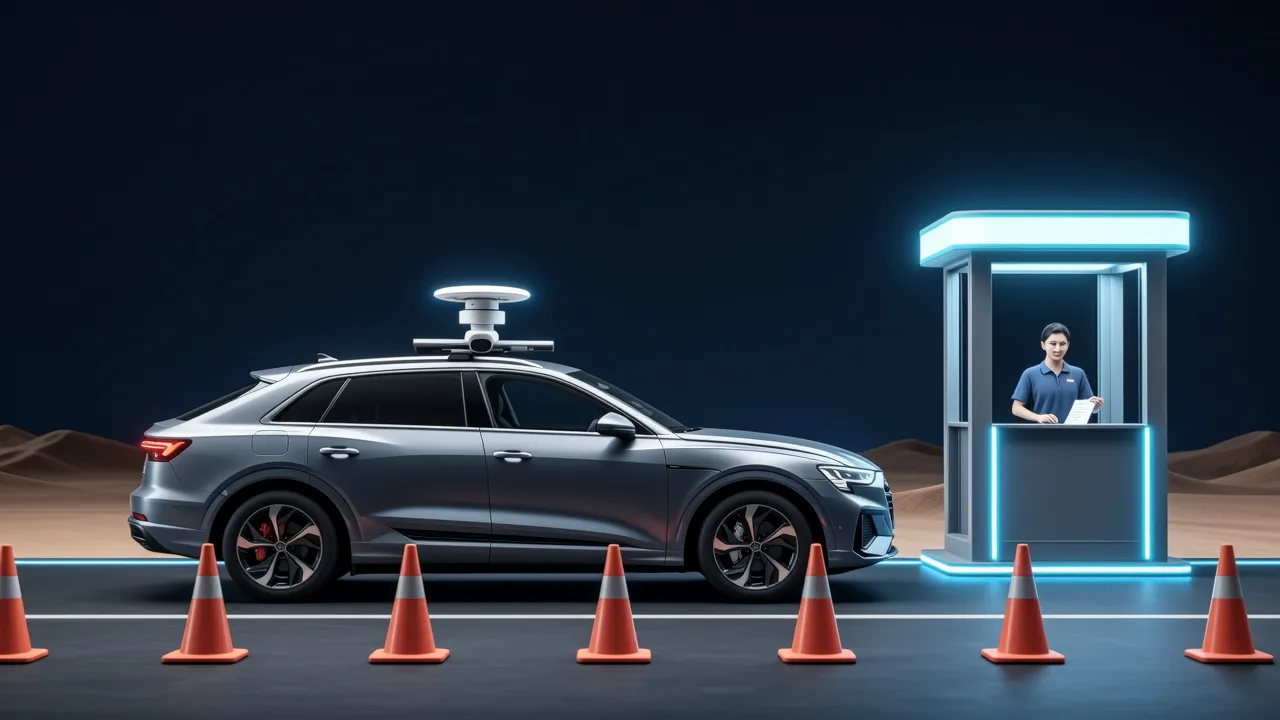
On 7 May 2012 Nevada's DMV issued the first US licence for an autonomous vehicle, a Toyota Prius fitted with Google's self-driving technology, after tests on highways, Carson City streets and the Las Vegas Strip.
In June 2005 IBM and EPFL announced the Blue Brain Project, a two-year effort to model the neocortical column of a rodent on a Blue Gene supercomputer, launched by Henry Markram and backed by the Swiss Confederation.
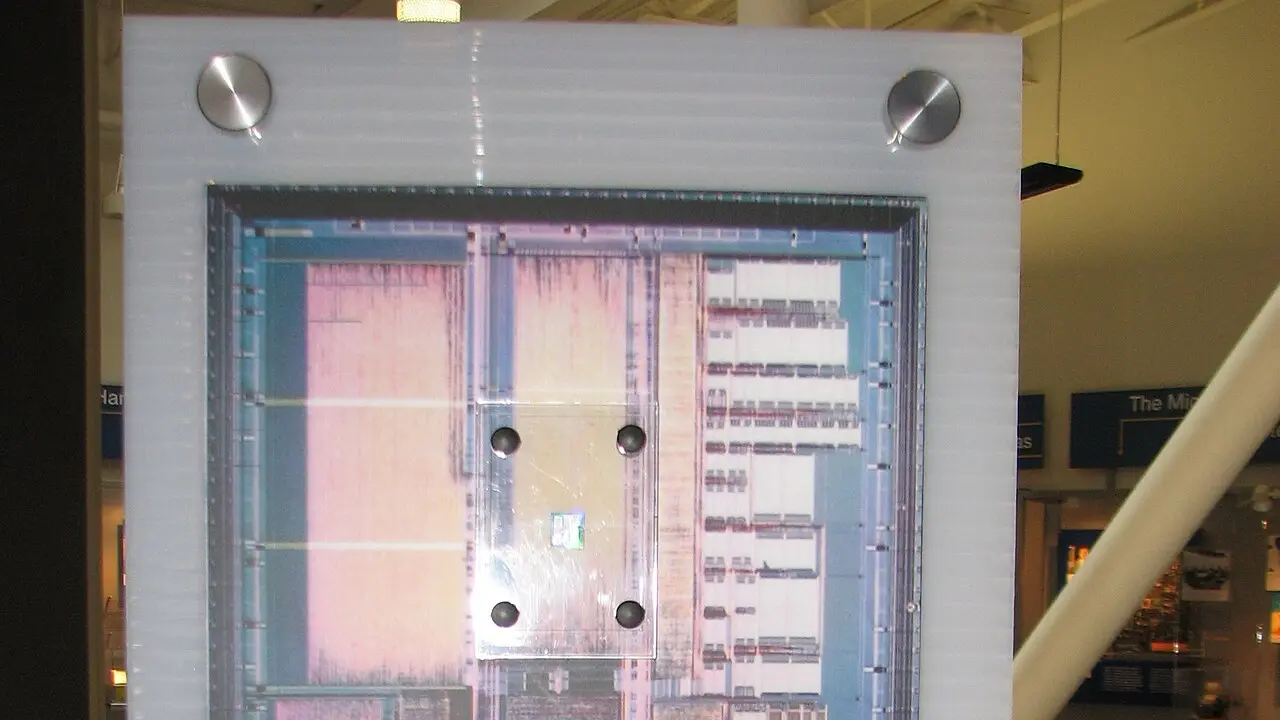
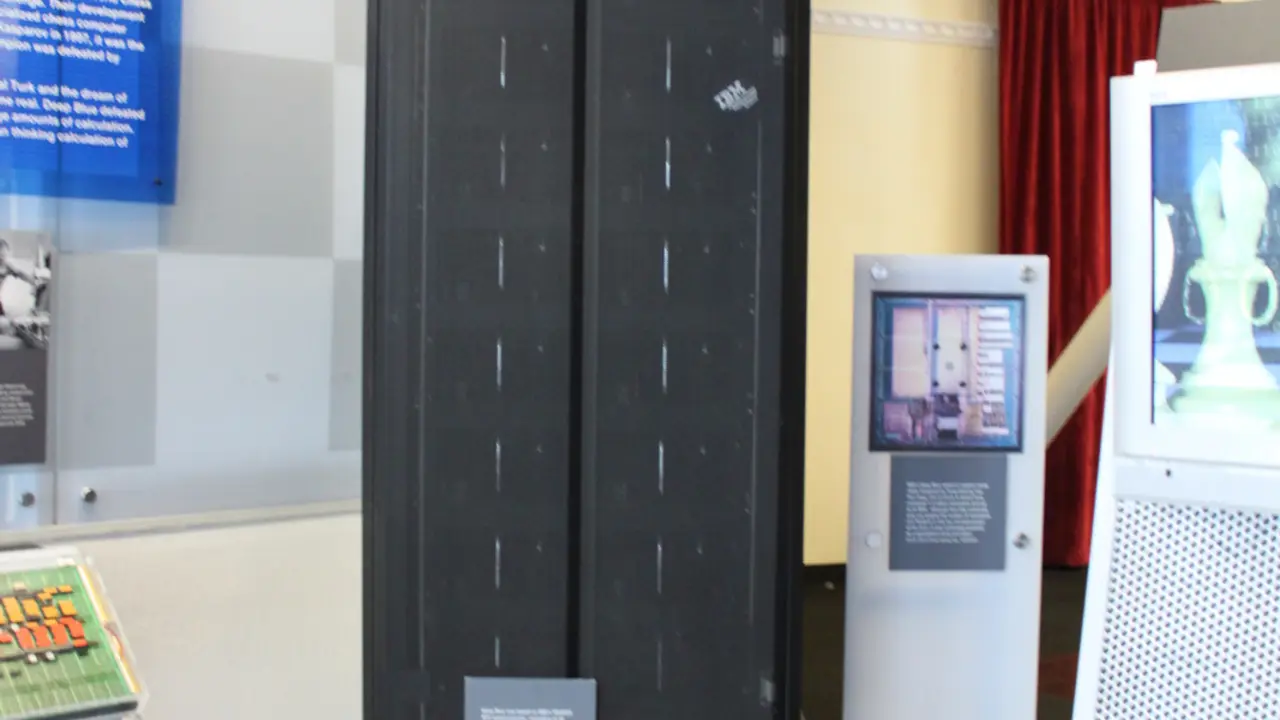
In May 1997 IBM's Deep Blue beat world chess champion Garry Kasparov 3.5–2.5 in a six-game match in New York, the first time a computer defeated a reigning world champion under standard tournament time controls.
In February 1996 IBM's Deep Blue played reigning world champion Garry Kasparov in a six-game match in Philadelphia, winning game one before Kasparov took the match 4–2.