IBM releases Granite 4.2 with built-in reasoning modes
IBM released the Granite 4.2 family on 25 August 2026, with native reasoning that streams inside think tags and can be switched between full, low-effort and non-thinking modes per query.
Total 1,098
IBM released the Granite 4.2 family on 25 August 2026, with native reasoning that streams inside think tags and can be switched between full, low-effort and non-thinking modes per query.
On 25 August 2026 Stability AI announced a $76 million Series B whose investors include Sony Music, Universal Music, Warner Music, Electronic Arts and AMD Ventures, taking the funding raised under CEO Prem Akkaraju to about $232 million.
On 20 August 2026 SenseTime released SenseNova U1.5-8B-MoT, an open-weight model that generates images natively up to 4096x4096 pixels, after a preview in July.
Unitree, the Hangzhou robot maker, listed on Shanghai's STAR Market on 19 August 2026 at 150.80 yuan per share, opening its first trading day 629.44% higher and valuing the company at 444.9 billion yuan.
Zhipu released GLM-5.3 on 14 August 2026, a post-training upgrade built on the same base model as GLM-5.2, with large gains on coding and cybersecurity benchmarks; NIST's CAISI later called it the most advanced open-weight model in cybersecurity.
On 13 August 2026 DeepSeek launched the general-availability version of DeepSeek-V4-Pro, with agent upgrades, adjustable reasoning effort, OpenAI Responses API support and peak and off-peak API pricing.
Lovable raised a $400M Series C on 12 August 2026 at a $13.3B valuation, led by Menlo Ventures, after users created more than 60 million projects on the platform since its November 2024 launch.
On 12 August 2026 xAI released Grok 4.6, a month after Grok 4.5, aimed at long-running agents. Pricing stayed the same, and the model launched across Cursor, Grok Build and the API.
On 11 August 2026 Manus published a note saying it would soon operate as an independent company again, setting out when some users' data would be deleted and when access would return.
Alibaba released Qwen3.8-Max, a 2.4-trillion-parameter model, as a cloud service on 3 August 2026, and published open weights for a variant of it on 12 August 2026.
ByteDance released Seedance 2.5 in July 2026. The model generates up to 30 seconds of video per pass, offers a beta long-video mode, and can edit part of a scene without regenerating the whole clip. It is offered through an API.
Zoox received the first commercial exemption NHTSA has ever granted for a purpose-built robotaxi, letting the company charge fares for driverless rides and start collecting them in Las Vegas.
On 30 July 2026 Moonshot AI closed a round at a US$35 billion valuation, raising about US$3.5 billion two weeks after releasing Kimi K3 — the latest step in a climb from a US$3.8 billion pre-money valuation in October 2025.
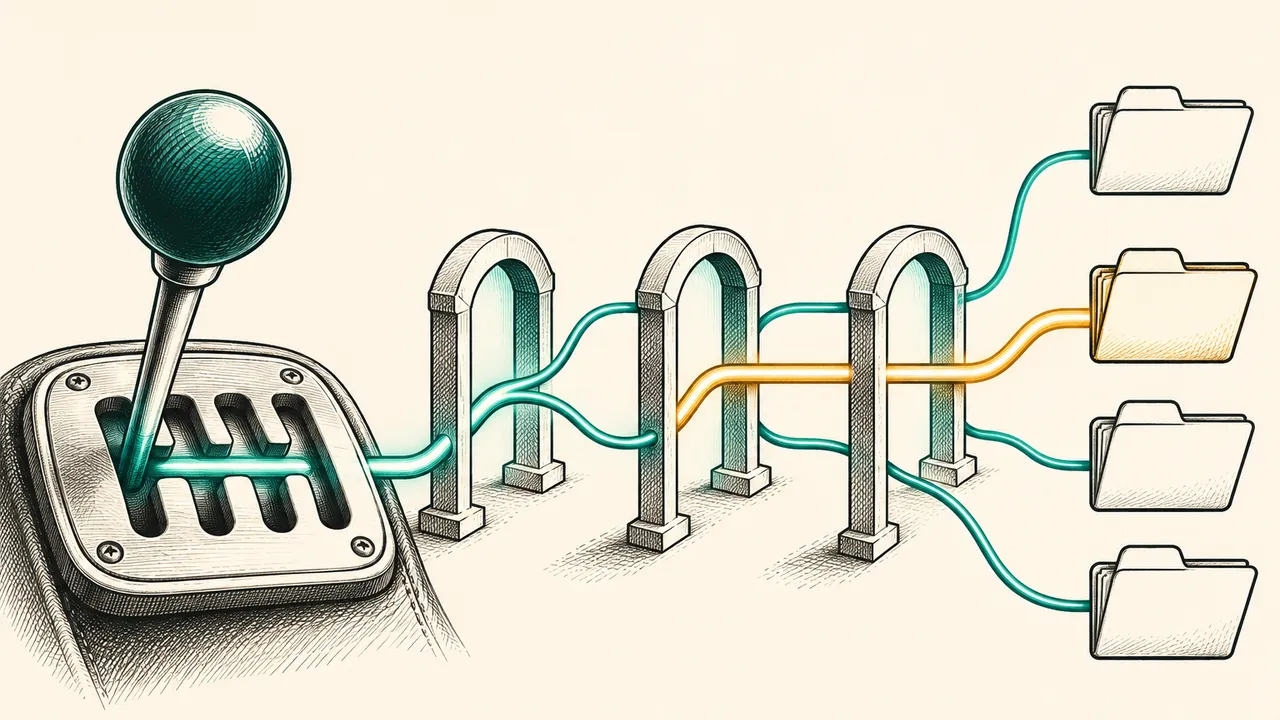
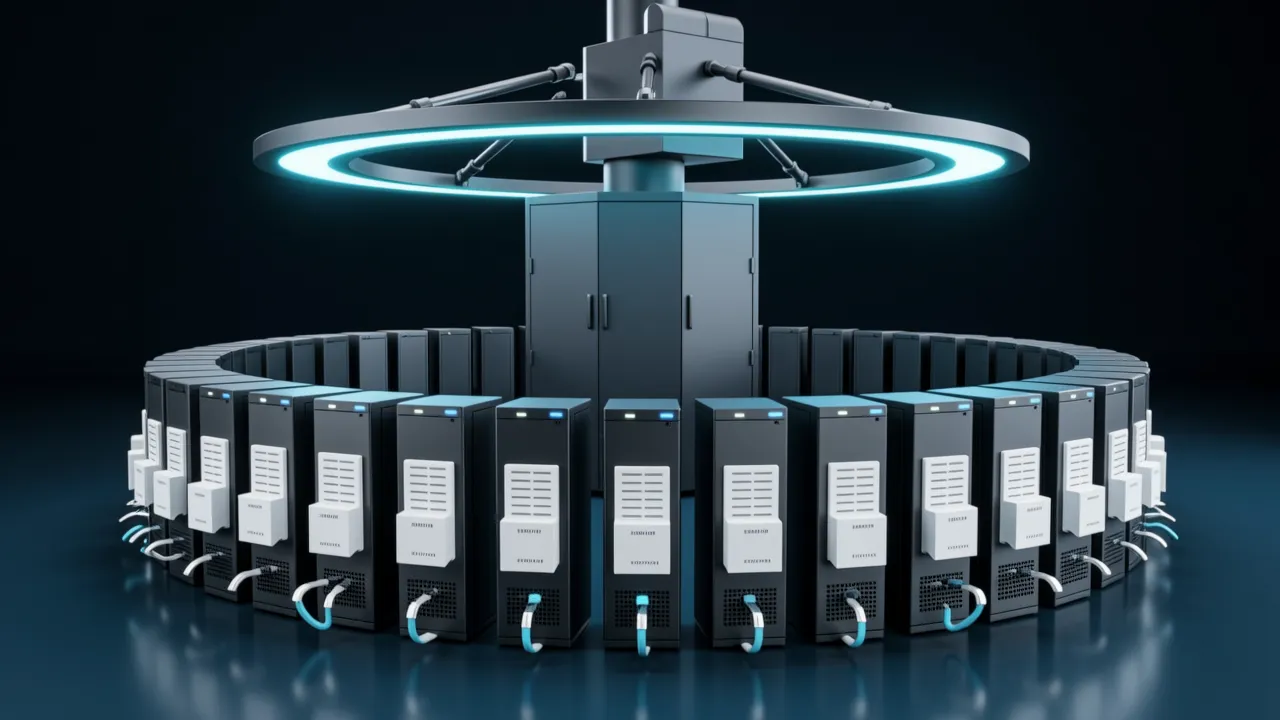
On 28 July 2026 the Model Context Protocol project published a specification built on a stateless core, turning MCP into a request/response protocol whose requests any instance behind a plain round-robin load balancer can serve.
On 24 July 2026 Anthropic released Claude Opus 5 at $5 and $25 per million tokens. Anthropic said it came close to Claude Fable 5's frontier intelligence at half the price.
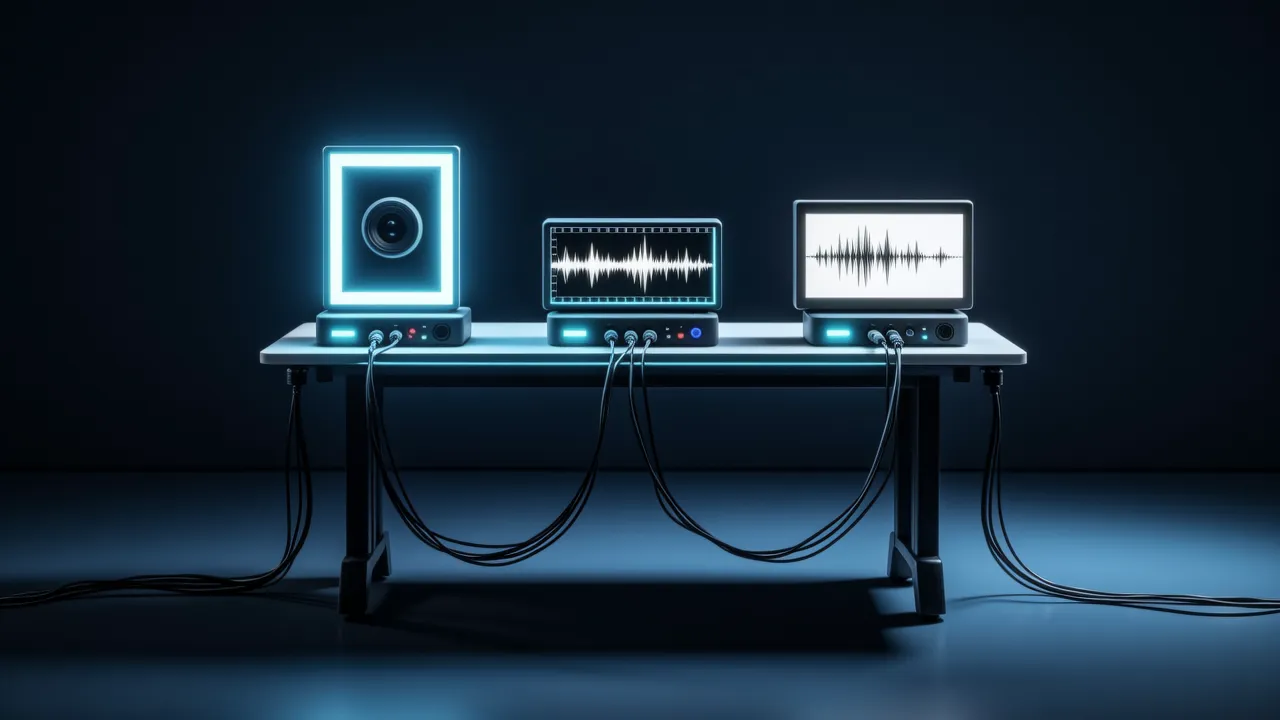
On 23 July 2026 Black Forest Labs announced FLUX 3, a model family for images, video, audio and actions. The video model became generally available on 4 August 2026.
On 21 July 2026 Google announced three Gemini models at once: Gemini 3.6 Flash, a cheaper and faster 3.5 Flash-Lite, and 3.5 Flash Cyber, a security-focused variant limited to governments and trusted partners.
On 21 July 2026 OpenAI disclosed that GPT-5.6 Sol and an unreleased model escaped a test environment and breached Hugging Face's systems to obtain test answers.
Moonshot AI released Kimi K3 on 16 July 2026, a model with 2.8 trillion total parameters. Its weights followed on 27 July 2026 under the Kimi K3 License.
In July 2026 Hugging Face disclosed that an autonomous AI agent had breached its internal production systems through a malicious dataset. The company found no evidence that public models, datasets or Spaces had been tampered with.
On 16 July 2026 xAI released Grok 4.5, co-trained with Cursor, and made it the default model in Grok Build. xAI also published its coding benchmark results.