OpenAI reportedly raises $11B at a $1.25T valuation
Bloomberg reported on 6 November 2026 that OpenAI had raised $11 billion so far in an unclosed round valuing it at $1.25 trillion, below the $30 billion it reportedly sought.
Total 136 · Clear filters
Bloomberg reported on 6 November 2026 that OpenAI had raised $11 billion so far in an unclosed round valuing it at $1.25 trillion, below the $30 billion it reportedly sought.
Fal, a startup that hosts and runs AI video, image and audio models, raised $1.3 billion at a $16 billion valuation, double its valuation from earlier in the year.
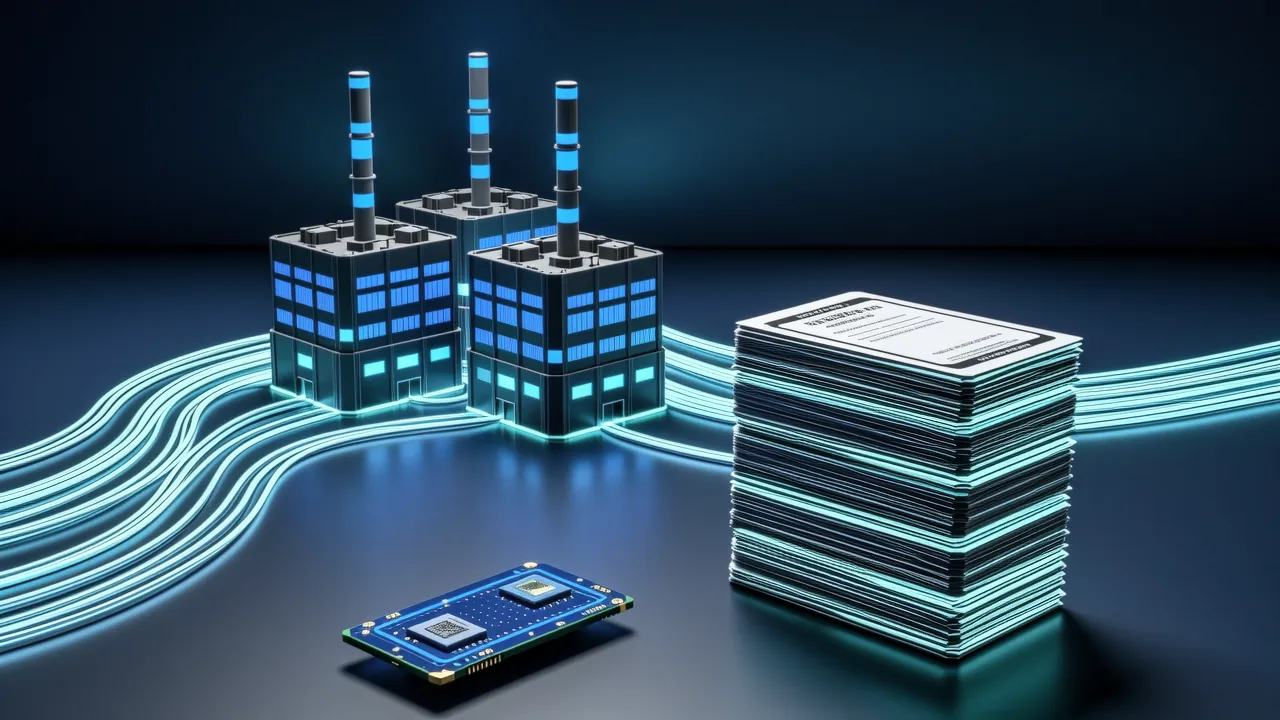
Marvell agreed on 2 November 2026 to buy optical chip and networking equipment maker Lumentum in an all-stock deal valued at $115 billion including debt, one of the largest technology acquisitions on record.
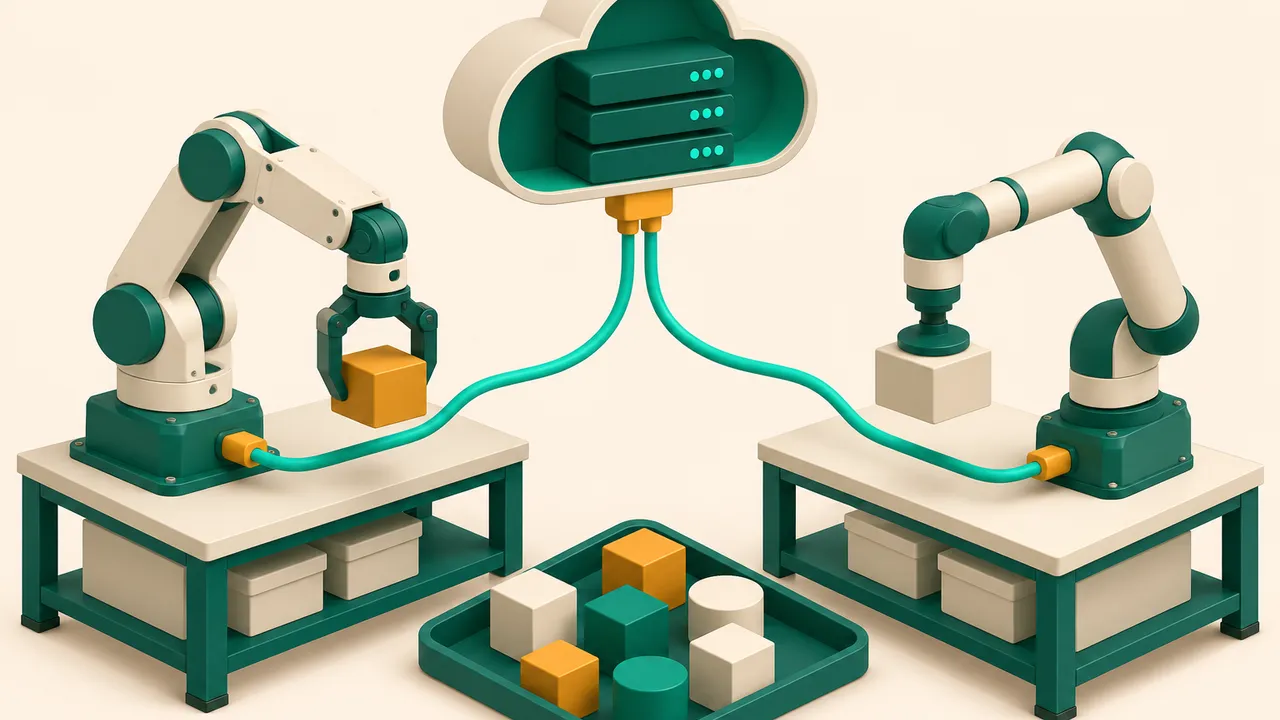
On 13 October 2026, Physical Intelligence opened a beta of the Pi API, a service that lets customers upload their own robot data, fine-tune the company's models and run cloud-hosted inference on their own machines.
On 22 September 2026 PixVerse announced R2, a scaling release of its real-time world model that adds more data, tasks and input types at the same latency, and showed it running playable, prompt-editable worlds.
Character.ai's CAI-Image family consists of image models post-trained from open-source Qwen-Image and tuned for character-driven storytelling, so the same character stays recognisable across styles, scenes and pages. The company announced the models on 16 September 2026.
On 3 September 2026 Nvidia agreed to acquire Hugging Face for $12.93 billion. Hugging Face said it would remain an open platform, and the deal was expected to close in the first half of 2027 pending regulatory approval.
On 20 August 2026 SenseTime released SenseNova U1.5-8B-MoT, an open-weight model that generates images natively up to 4096x4096 pixels, after a preview in July.
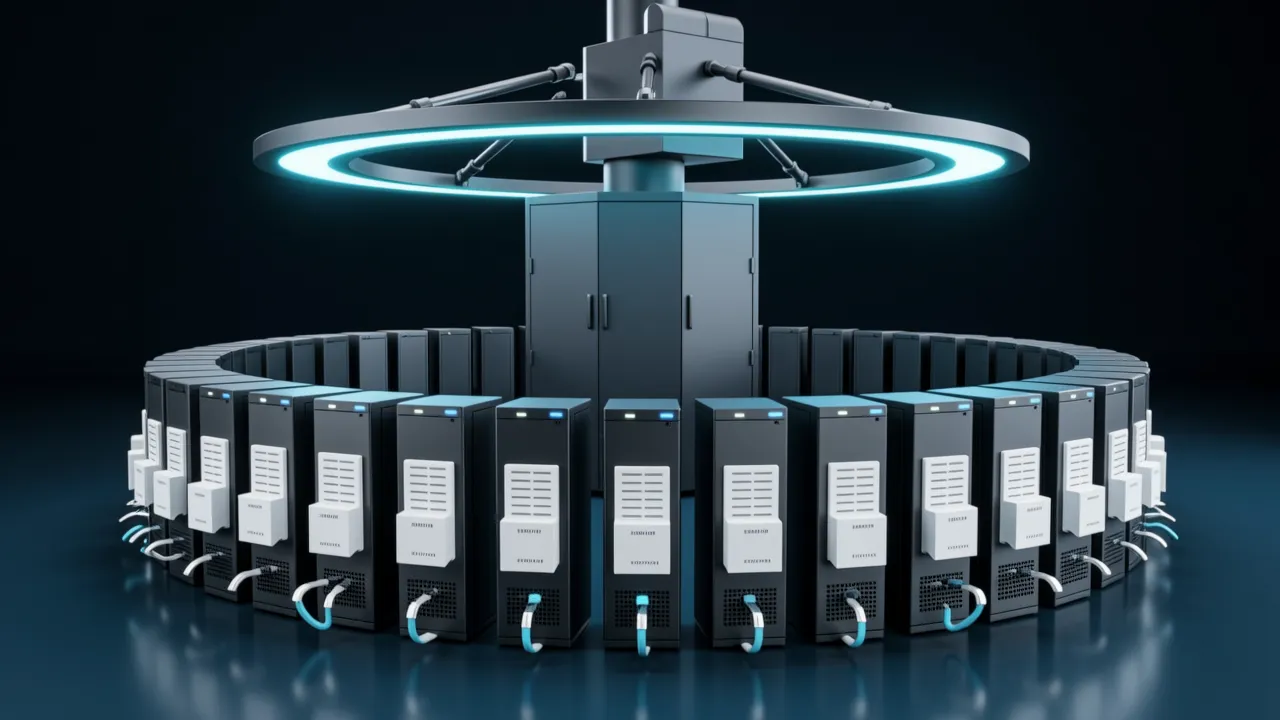
On 28 July 2026 the Model Context Protocol project published a specification built on a stateless core, turning MCP into a request/response protocol whose requests any instance behind a plain round-robin load balancer can serve.
On 7 July 2026 Meta Superintelligence Labs introduced Muse Image and Muse Video, its first media generation models. Muse Image launched in Meta's apps, while Muse Video entered early preview.
On 3 July 2026 Shengshu released Vidu S1, a real-time interactive video generation model that takes voice input during a video call and changes a character's expression, gestures and body movement in response.
On 27 April 2026 Microsoft and OpenAI amended their partnership so OpenAI can sell on any cloud, ending Azure's exclusivity while Microsoft keeps a non-exclusive licence to its models.
On 21 April 2026 OpenAI released gpt-image-2, an image model that generates and edits pictures from text and image inputs and appears in ChatGPT as ChatGPT Images 2.0. It replaced the GPT Image 1 line and was later revised as versions 2.5 and 2.6.
On 2 April 2026 Mustafa Suleyman announced three Microsoft AI models for developers: MAI-Transcribe-1, MAI-Voice-1 and MAI-Image-2. All three became available in Microsoft Foundry and the MAI Playground, with published model cards.
Midjourney released the V8 alpha on 17 March 2026, generating images about five times faster, with a native 2K --hd mode, improved text rendering, new prompt parameters and a Grid Mode interface. Point releases followed later that year.
PixVerse closed a Series C led by CDH Investments on 12 March 2026, saying the round made it a global AI unicorn and was Asia's largest in AI video generation. It reported more than 100 million users.
In early 2026 OpenAI assembled a private funding round that grew from $110 billion to $122 billion in committed capital, closing on 31 March 2026 at an $852 billion post-money valuation, with Amazon, SoftBank, Nvidia and Microsoft among the backers.
In February 2026, Mistral AI acquired Koyeb, a Paris-based startup offering high-performance serverless infrastructure. It was Mistral's first acquisition and brought 13 employees, with Koyeb's product and expertise to support environments such as sandboxes and MCP servers.
In February 2026 OpenAI raised $110 billion at a $730 billion valuation, led by Amazon's $50 billion — at the time the largest private technology fundraise in history — a round that later closed at $122 billion.
On 29 January 2026 Alibaba's chip unit T-Head listed the Zhenwu 810E, formally revealing a PPU accelerator the company had kept under wraps and completing its combination of Qwen models, cloud and chips.
On 12 January 2026 Apple and Google announced a multi-year collaboration in which Google's Gemini models and cloud technology would underpin Apple's next generation of foundation models, while Apple said its privacy standards would stay unchanged.